
In the world of culinary arts, the visual appeal of food can greatly enhance dining experiences. This article delves into menu shooting services and the intricacies of food photography, offering essential tips and techniques for capturing mouth-watering images. Whether you’re a restaurant owner or a home cook, mastering food photography can significantly impact your culinary presentation.
Understanding Menu Shooting Services
Understanding Menu Shooting Services:
In the competitive world of dining, a restaurant’s visual presentation can be just as crucial as the dishes themselves. Menu shooting services specialize in providing professional photography that captures the essence of culinary offerings, making them not only appealing to the eye but also enticing to the palate. These services help restaurants convey their brand identity, showcase their unique dishes, and ultimately drive customer engagement and sales.
Having a visually striking menu is essential for any restaurant that wishes to stand out in a crowded marketplace. Research shows that consumers are drawn to restaurants that feature high-quality images of their menu items. This is where menu shooting services come into play. They understand that food photography is not merely about capturing delicious-looking dishes but also about telling a story that aligns with the restaurant’s vision and values.
When a restaurant engages a menu shooting service, they enter a collaborative process that begins with understanding the brand. Photographers often conduct initial consultations to discuss the restaurant’s theme, target audience, and unique selling propositions. Through these discussions, the photographer can tailor the shoot to encapsulate elements like ambiance, color schemes, and even the plating style that symbolizes the brand’s ethos. For example, a modern fusion restaurant may favor vibrant, artistic presentations, while a traditional diner might lean towards comfort-food aesthetics.
The process of hiring professionals for menu shooting services also involves discussing logistics such as location, timing, and the selection of dishes. Restaurants that opt for professional photography often prepare a shortlist of their signature dishes that represent the essence of their menu. This ensures that the most photogenic and popular items receive the right attention. With the help of expert photographers, restaurants can elevate the presentation of even the simplest dishes, transforming them into eye-catching pieces of art.
A critical aspect of utilizing menu shooting services lies in the expected outcomes of high-quality food imagery. Well-executed food photography communicates a sense of quality and attention to detail, which can build customer confidence. It reflects an establishment’s commitment to providing an exceptional dining experience. Statistics have shown that restaurants utilizing professional photography can experience a noticeable increase in foot traffic and sales. High-quality images can even be shared across various online platforms, expanding reach and attracting potential customers who might be scrolling through social media or browsing food blogs.
Moreover, the images produced through these services often serve multifunctional purposes. They can enhance printed menus, websites, and other marketing materials, creating a cohesive visual identity. Additionally, food images can be shared on social media platforms, driving engagement and interaction among followers. A stunning food image can spark an emotional connection, compelling potential diners to experience the meal in person.
As with any professional service, it’s essential for restaurant owners to conduct due diligence while selecting a menu shooting service. This includes reviewing portfolios, reading testimonials, and discussing the photographer’s approach to food styling and lighting. A good photographer ought to possess not only technical skills but also an artistic sensibility that allows them to create images that evoke flavor and ambiance.
In essence, leveraging menu shooting services is about capturing the heart and soul of a restaurant’s culinary offerings. High-quality food imagery acts as a visual ambassador, communicating quality, creativity, and passion. In doing so, these services not only enhance menus but also serve as a powerful tool for attracting new customers in an increasingly visual-oriented marketplace. By investing in professional photography, restaurant owners can elevate their brand, increase visibility, and ultimately inspire culinary indulgence in their guests.
The Essentials of Food Photography
Food photography is an intricate art form that requires both creativity and technical skill. At its core, it aims to visually entice the viewer, making the food look not just edible but irresistible. To achieve this, understanding the essentials of food photography is paramount, and that includes knowing the types of equipment needed, the significance of lighting, and the critical role of styling.
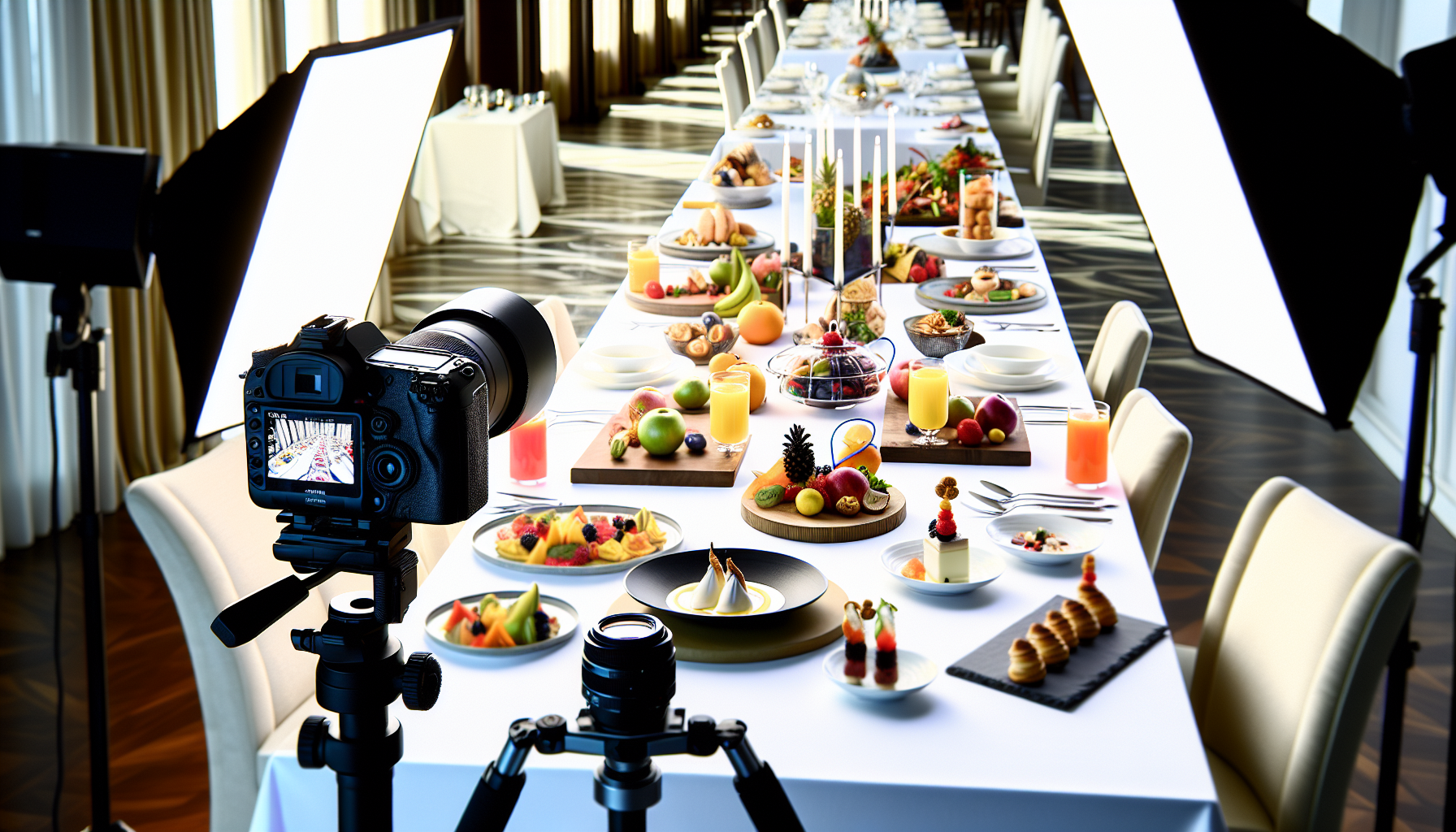
Equipment forms the backbone of effective food photography. While a high-end camera is an obvious choice, it is equally important to consider lenses. A fast prime lens, preferably with a wide aperture, enables the photographer to shoot in various lighting conditions and achieve a shallow depth of field. This rich background blur keeps focus on the dish, delivering a polished look that elevates food images. Additionally, a sturdy tripod is invaluable for stabilizing shots, especially in low-light scenarios where longer shutter speeds are necessary.
Moreover, while a professional camera setup can significantly enhance the quality of images, smartphones equipped with advanced camera capabilities are also gaining traction in the field. This democratization of technology means that skilled photographers can create stunning visuals regardless of their equipment, emphasizing that it isn’t solely the camera but the knowledge of techniques that makes a difference.
Lighting is arguably one of the most critical components of food photography. Natural light is the go-to choice for many professional photographers. Soft, diffused sunlight creates an inviting ambiance, highlighting textures and colors without harsh shadows or glaring highlights. Placing food near large windows can produce this desired effect. However, good lighting can also take the form of artificial sources, such as softboxes or ring lights, which give the photographer more control over shadows and exposure.
Comparatively, amateur photographers may rely heavily on direct artificial lighting, which can flatten images or create unappetizing reflections. Understanding how to manipulate light sources to evoke a mood or emphasize a particular aspect of a dish is what sets professional work apart from novice attempts.
Food styling is another essential aspect. Collaborating with food stylists enables photographers to craft compositions that are visually stunning. A food stylist possesses a unique skill set; they know how to arrange ingredients, embellish plates, and use props strategically. This collaboration contributes to a cohesive visual narrative, where the food not only looks appealing but also conveys a sense of authenticity and brand identity.
Different styles of cuisine may require different approaches to styling. For instance, a rustic dish might benefit from a more casual presentation using linens and wooden surfaces, while modern gastronomy may call for sleek, geometric arrangements. A professional photographer will consult with stylists beforehand to establish these themes, thereby ensuring that their vision aligns seamlessly.
When it comes to the techniques employed by professionals, several key differences highlight their expertise compared to amateurs. Professional photographers understand the importance of composition and rule of thirds, knowing how to frame a dish for optimal impact. They also employ techniques such as negative space, which can create a minimalist appearance that allows the food to be the focal point.
Moreover, professionals are adept at capturing texture, ensuring that the surfaces of ingredients are highlighted to evoke a sensory experience. Contextual elements, like delicate hands plating the dish or a well-placed fork, can further engage the viewer, drawing them into the scene. Amateur photographers may overlook these finer details, focusing instead on basic shots that lack depth and storytelling.
Ultimately, the art of food photography transcends the act of simply taking pictures; it necessitates a harmonious blend of technical knowledge, artistic vision, and collaborative efforts between photographers and stylists. By mastering these essentials, photographers can effectively transform ordinary dishes into extraordinary culinary art, culminating in imagery that entices customers and elevates a restaurant’s brand. Through understanding the foundational aspects of food photography, professionals are equipped to produce stunning results that capture the essence of every culinary creation.
Tips for Taking Stunning Food Photos
Capturing stunning food photographs requires not just technical knowledge but also an artistic eye that considers various elements such as composition, angles, lighting, and background. Each of these factors plays a critical role in creating images that entice viewers and make them crave the food depicted.
One of the first aspects to focus on is composition. Effective composition often hinges on the rule of thirds, where the frame is divided into a grid of nine equal parts. By placing the primary subject on one of the intersections or along these lines, you create a more balanced and aesthetically pleasing image. However, don’t shy away from experimenting with unconventional placements to create interest and draw the eye. While symmetry can be beautiful, breaking it can evoke a sense of dynamic storytelling in your food photography.
Next, choosing the right angle can make all the difference in how your food is perceived. Flat lays—where the camera is positioned directly above the food—are popular for showcasing an entire spread, while close-ups can highlight texture and details in a dish. For three-dimensional foods, a 45-degree angle often works best to capture both the ingredients and the enticing layers within. Always consider how the angle impacts the story you want to tell; for example, a shot of a delectable slice of cake from above allows viewers to appreciate the icing and layers, while a side angle might depict the height and creamy fillings better.
Lighting is fundamental in food photography, and the difference between natural light and artificial light can significantly affect the mood of your images. Whenever possible, use natural light, as it creates soft shadows and highlights that enhance the colors and textures of food. Position your setup near a window to take advantage of diffused daylight, and use reflectors to fill in shadows, making the dish vibrant and appealing. If you’re working with artificial light, opt for soft-boxes or diffused lamps to minimize harsh shadows. Always pay attention to the color temperature, ensuring it complements the food and doesn’t cast an unwanted hue.
Background selection is another key factor to consider, as it can enhance or detract from the main subject. Keep backgrounds simple and uncluttered to ensure the food remains the focal point. Textured surfaces, such as wooden boards, marble slabs, or linen fabrics can add depth without overwhelming the dish. Color coordination is essential; a contrasting or complementary background can make your food pop while ensuring harmony in the image. Additionally, experimenting with props, such as cutlery, napkins, or ingredients used in the dish, can help to contextualize the food, telling a story that resonates with viewers.
Avoiding common mistakes is just as crucial as implementing good techniques. One prevalent error is over-styling the food with too many elements; simplicity often results in more striking images. Another frequent pitfall is neglecting to focus on the main subject—blurring or having other distracting elements in the foreground can confuse the viewer. Ensure that your camera settings are optimal; using too shallow a depth of field can have its place, but be wary of sacrificing clarity on important details. Lastly, don’t forget to pay attention to cleaning any spills or distractions from the frame; a well-composed image is often just as much about what you do not include as it is about what you do.
Creating depth and texture in food photography is about layering elements and using lighting effectively. Employing slightly elevated angles can add dimension, while varying the focus—keeping the foreground sharp but blurring the background—can lead to captivating images. Increase contrast through side lighting to highlight textures and surfaces. Natural foods often have grains, cracks, or glossiness; capturing these features can transform a flat image into one that feels three-dimensional and inviting. In doing so, you’ll elevate your portfolio and enhance the dining experience associated with the imagery. By applying these tips, you can produce food photographs that not only look good but also tell a story that invites your audience to indulge.
Common Styles in Food Photography
Food photography is an ever-evolving field that encompasses various styles, each with its unique characteristics and appeal. Among the prevalent styles, minimalistic approaches and “food porn” have gained significant popularity, particularly on social media platforms. Understanding the nuances of these styles can help photographers tailor their work to suit different audiences and stay relevant in an industry marked by rapid trends.
The minimalistic approach emphasizes simplicity and often employs a clean, uncluttered aesthetic. Photographers utilizing this style focus on essential elements, directing the viewer’s attention to the food itself. Backgrounds may consist of neutral colors, and props are kept to a minimum to avoid distraction. This technique appeals to an audience that appreciates elegance and sophistication. The use of ample negative space can evoke calmness and bring a sense of refinement to the composition. For example, a single dish placed on a textured fabric or a marble slab can exude high-class dining vibes, appealing to restaurants that want to convey a sense of luxury.
In contrast, the “food porn” style celebrates abundance and indulgence, often characterized by vibrant colors, enticing textures, and dramatic compositions. This approach aims to trigger emotional responses, making the viewer feel an irresistible longing for the food being presented. Layers, close-ups, and whimsical arrangements are common, encapsulating the warmth and excitement of a dining experience. Photographers adopting this style might experiment with bold colors or create dynamic shapes and forms. Such imagery resonates well with casual diners who are likely to share these images on social media, thereby amplifying the reach and visibility of restaurants.
Both styles serve distinct purposes and cater to different market segments. Restaurants targeting fine dining patrons may benefit more from minimalistic photography, while cafes or eateries focusing on casual dining could align their branding with the vibrant and indulgent aesthetics typical of “food porn.” Additionally, understanding the target audience allows photographers to adapt their styles accordingly, ensuring that the images resonate with viewers and encourage engagement.
As food photography becomes increasingly influenced by trends in social media and culinary presentations, it’s essential for photographers to remain agile. Social media platforms thrive on innovative visual content, prompting photographers to experiment with evolving styles. Techniques that may have been popular last season could quickly become outdated, making it crucial to keep a pulse on current trends. For instance, the recent rise of overhead shots and flat lays in food photography showcases how audiences are now looking for creative angles that reveal not just the dish, but the entire dining experience.
Adapting to these trends involves not only modifying the photography style but also incorporating contemporary elements within the shoot itself. Innovations in food presentation, such as deconstructed dishes or edible flowers, can make for striking images that draw attention. Photographers should be keen to collaborate closely with chefs and restaurant owners to explore new culinary trends that can elevate their work. This synergy can enhance the visual narrative and keep the images fresh and captivating.
Ultimately, successful food photography should resonate with its intended audience while effectively capturing the essence of the dish. Tailoring the artistic direction to suit market demands and social media trends can amplify the impact of each photograph. Whether through the simplicity of minimalism or the extravagance of “food porn,” understanding these styles is vital for photographers looking to make a name in an increasingly competitive landscape. Each shot should tell a story and encapsulate the experience, drawing viewers in and leaving them wanting more.
Professional Food Photography: A Collaborative Effort
In the world of professional food photography, creating striking imagery is not solely the effort of the photographer; it is a collaborative endeavor that involves several key players, each bringing their unique skills and perspectives to the table. Photographers, food stylists, and art directors work in concert to produce mouthwatering visuals that captivate viewers’ attention and evoke a desire to experience the featured dishes.
At the heart of this collaboration is the photographer, who must possess not only a keen eye for composition and lighting but also a deep understanding of food and its characteristics. Their ability to manipulate light and explore different angles is crucial for highlighting the textures, colors, and intricate details of the dishes they capture. Professional food photographers often create dynamic images by showcasing the steam rising from a hot dish or the glistening glaze on a pastry. This is where the collaboration with food stylists becomes essential.
Food stylists play a critical role in making food look its absolute best. They are artistic visionaries who use their knowledge of both culinary presentation and photography principles to arrange the dishes perfectly for the camera. A food stylist may selectively choose ingredients that enhance visual appeal, tweaking a dish’s construction to achieve a specific aesthetic. For instance, they might add a sprig of fresh herbs, place a perfectly arranged stack of pancakes, or artfully drip syrup to make the photo pop. Their ability to create a beautiful presentation can take a dish from ordinary to extraordinary, greatly impacting how the final image is perceived.
The involvement of an art director can further elevate the quality of food photography. Art directors possess a big-picture vision and a keen understanding of the story that an image should convey. They collaborate with both the photographer and stylist, guiding the creative process to ensure that each element aligns with the brand’s messaging and target audience. Whether setting the scene to reflect a rustic farm-to-table concept or crafting a sleek modern aesthetic, the art director helps to maintain the overall coherence in the imagery, ensuring consistency across the entire menu or campaign.
The cooperation among these three roles is crucial for several reasons. Firstly, the synergy of skills and ideas fosters creativity, allowing each participant to push their boundaries and explore innovative approaches to food photography. When photographers and stylists brainstorm together, they are more likely to experiment with new techniques and ideas that elevate the visual narrative. Such collaboration can result in images that stand out in a saturated market, captivating both foodies and potential customers alike.
Furthermore, effective communication among team members is foundational for a successful shoot. Photographers must articulate their vision clearly, while stylists need to understand the desired outcome and work efficiently to achieve it. Frequent discussions about lighting, angles, and food placement lead to a more polished final product that truly captures the essence of the dish. Additionally, an organized workflow will minimize stress and enable everyone involved to focus on their respective tasks, which in turn fosters a more productive creative environment.
Timeliness is another crucial factor when executing food photoshoots, as many dishes require immediate action to preserve their fresh look. This is where solid teamwork can save the day. The coordinated efforts of photographers, stylists, and art directors are essential in ensuring that the food remains visually appealing and at its optimal temperature for the lens.
Finally, a successful food photography shoot is often the result of collective passion and dedication to the art. Each individual’s love for food, aesthetics, and storytelling contributes to the creation of stunning imagery that resonates with viewers on multiple levels. Understanding the nuances of flavor and texture through a lens combined with hands-on expertise renders food photography not just a technical skill but a celebration of culinary artistry, ultimately transforming simple dishes into extraordinary visual experiences. Through collaboration, professional food photography transcends the limits of individual talent, resulting in images that not only stimulate the appetite but also tell a compelling story in every frame.
Conclusions
In conclusion, food photography is an essential aspect of the culinary world, transforming dishes into visual masterpieces. By utilizing professional shooting services and adapting best practices, anyone can elevate their food imagery. Embrace your creativity, apply the techniques discussed, and let your food shine through captivating photography.